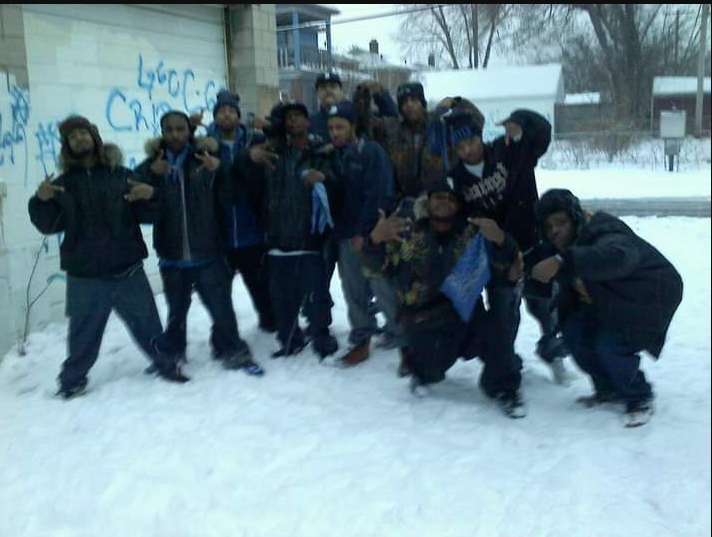
The Rollin 60s Crips in Detroit are documented as a predominantly African American, local chapter of the nationwide Crip alliance — active since the mid‑2000s, they claim territory across both Detroit’s northwest and eastside. Their influence spans block‑level organization, graffiti presence, and a notable underground rap footprint. This page outlines their names, territory, affiliations, internal structure, and known public activities.
For definitions of terminology related to activity, conduct, demographics, gang-related terms, identifiers, and classifications used on this page, refer to the site glossary.
For definitions of terminology related to activity, conduct, demographics, gang-related terms, identifiers, and classifications used on this page, refer to the site glossary.
*In No Particular Order*
- Rollin 60s Neighborhood Crips
- R60s
- Rollin Sixties
- 7M R$C
- Rich Rollin Crips
- Rich Rollin Gang
- Cixty Crips
- 6X10
- Naybahood 60s
For definitions of terminology related to activity, conduct, demographics, gang-related terms, identifiers, and classifications used on this page, refer to the site glossary.
*In No Particular Order*
Northwest Detroit — Seven Mile and Eight Mile corridors, plus surrounding blocks.
East‑side footprint — Jefferson‑Chalmers, East Warren, and adjacent neighborhoods.
For definitions of terminology related to activity, conduct, demographics, gang-related terms, identifiers, and classifications used on this page, refer to the site glossary.
National Crips alliance, with reported symbolic overlap with Gangster Disciples (6‑pointed star symbolism reported among some subsets).
For definitions of terminology related to activity, conduct, demographics, gang-related terms, identifiers, and classifications used on this page, refer to the site glossary.
Members reportedly wear blue bandannas (Royal Blue), and use graffiti tags such as “RSC” (Rollin Sixties Crips) or “Rich Rollin” to mark corners or territory. Associated colors in graffiti reportedly includes blue, black, and occasionally red. In conversation, social media, and local music — the term “Naybahood” is often used as a pronouncement of local identity and belonging.
For definitions of terminology related to activity, conduct, demographics, gang-related terms, identifiers, and classifications used on this page, refer to the site glossary.
*In No Particular Order*
- Racketeering
- Armed robbery
- Fraud
- Burglary
- Reported disruptions of lawful or public meetings
- Intoxication-related offenses
- Transit fare evasion
- Loitering
- Theft
- Neighborhood-level intimidation
- Street-level disputes
- Narcotics trafficking
- Murder / violent street incidents
For definitions of terminology related to activity, conduct, demographics, gang-related terms, identifiers, and classifications used on this page, refer to the site glossary.
Major rivalries reportedly include:
*In No Particular Order*
- Playboy Gangster Crips
- Gangster Crips (3X / Movin’ Gang aliases)
- Several Blood-affiliated crews active in overlapping or adjacent neighborhoods
For definitions of terminology related to activity, conduct, demographics, gang-related terms, identifiers, and classifications used on this page, refer to the site glossary.
Sub‑sets and affiliate crews tied to the Detroit Rollin 60s:
*In No Particular Order*
- 7M R$C
- Rich Rollin 60s (RR$C)
- Jefferson Ave Rollin 60s (BlueZone 60s)
- East Warren Posse (EWP)
- ReaperGang (1229)
- 24CashGang (392/FWC)
- MapleRidgeBoyz (MRB)
These smaller crews reportedly handle local turf, tagging, and enforcement on a block‑level scale under the broader Rollin 60s identity.
For definitions of terminology related to activity, conduct, demographics, gang-related terms, identifiers, and classifications used on this page, refer to the site glossary.
The gang reportedly intersects with Detroit’s underground rap scene. Some rappers affiliated with or claiming ties to Rollin 60s (or its subsets) have used music to express neighborhood identity, respect for fallen members, and local tensions. Notable names referenced include Cashgang Key (FWC Big Key) and Baby Loc (1229 / ReaperGang).
For definitions of terminology related to activity, conduct, demographics, gang-related terms, identifiers, and classifications used on this page, refer to the site glossary.
The Rollin 60s Neighborhood Crips (R60s) are widely considered Detroit’s largest Crip-affiliated criminal street gang. Their presence is spread across the city, with numerous street cliques that vary in their level of cooperation or conflict with one another.
The organization became the subject of a major federal investigation in the late 2010s, centered on an extended violent conflict with the 7 Mile Playboy Gangster Crips, a feud that resulted in multiple deaths, including bystanders. Federal authorities ultimately secured convictions against several individuals identified as R60s members for racketeering, narcotics distribution, and other violent offenses.
According to federal case records, investigators traced the founding of Detroit’s Rollin 60s presence to Jerome Hamilton, who allegedly established a local chapter around 2006 in the West Seven Mile area. At the time of the investigation, federal estimates placed the group’s membership at approximately 150 individuals citywide, although community observers have claimed the actual number to be higher.
The most publicly recognized subset is the 7 Mile Rollin 60s (7M R$C). In 2016, twelve individuals associated with this clique were convicted under federal RICO statutes. In the same period, federal prosecutors also indicted members of the rival Playboy Gangster Crips, ultimately securing convictions against sixteen individuals.
While the 7M R$C remain the best-known subset, numerous other affiliates operate throughout Detroit. The Jefferson Avenue Rollin 60s have gained significant public visibility in recent years and are sometimes referred to as the “BlueZone 60s,” a nickname said to reference the Crip presence in the Jefferson–Chalmers neighborhood. Additional associated groups include the Rich Rollin 60s Crips (RR$C), described as a youth-oriented subset based in the Berg–Lahser area, and 24CashGang, a music-focused street clique noted to have ties to Rollin 60s members.
Notes & Verification Status
Information is compiled from public records, community reports, and law enforcement sources.
Use of this page is for informational and historical purposes; it is not legal documentation.
Sources:
*Sources are listed in no particular order. Numerical placement does not indicate priority, authority, or primary-source status.*
- 1. DOJ Press Release 2018, Rollin’ 60 Crips Gang Leaders Sentenced for Racketeering Charges
- 2. DOJ Press Release 2019, 16 Members of a Violent Gang from Detroit’s Westside Have Been Convicted for Their Roles in a Racketeering Conspiracy
- 3. Click On Detroit Local 4 WDIV 2018, 2 leaders of Detroit’s Rollin 60s Crips street gang sentenced for racketeering
- 4. Fox 2 Detroit 2016, 12 gang members of the Rollin 60s Crips in Detroit arrested
- 5. Click On Detroit Local 4 WDIV 2019, Inside the takedown of the ‘Playboy Gangster Crips’
- 6. Click On Detroit Local 4 WDIV 2018, Feds bust ‘Playboy Gangster Crips” gang
- 7. Detroit Free Press 2017, Busted on Facebook? Feds say Playboy Gangster Crips crew sold drugs, AK-47 on social media
- 8. 2025 Detroit Crips Mini-documentary, Most Dangerous Crip Gangs in Detroit: The Real Story of Power, Bloodshed & Survival
- 9. 2025 Detroit Bloods Mini-documentary, Most Dangerous Blood Gangs in Detroit EXPOSED: 55 Seven Mile Bloods, 82 Headbanger Bloods & More!
- 10. Alamy Stock Photos 2015-2025, “Detroit Crips Graffiti,” 330+ photos with EXIF data and detailed titles/captions used for identification and location context
- 11. “Tag” definition, GangEnforcement.com
- 12. Gang Terminology, GangEnforcement.com
- 13. Street Gangs, GangEnforcement.com