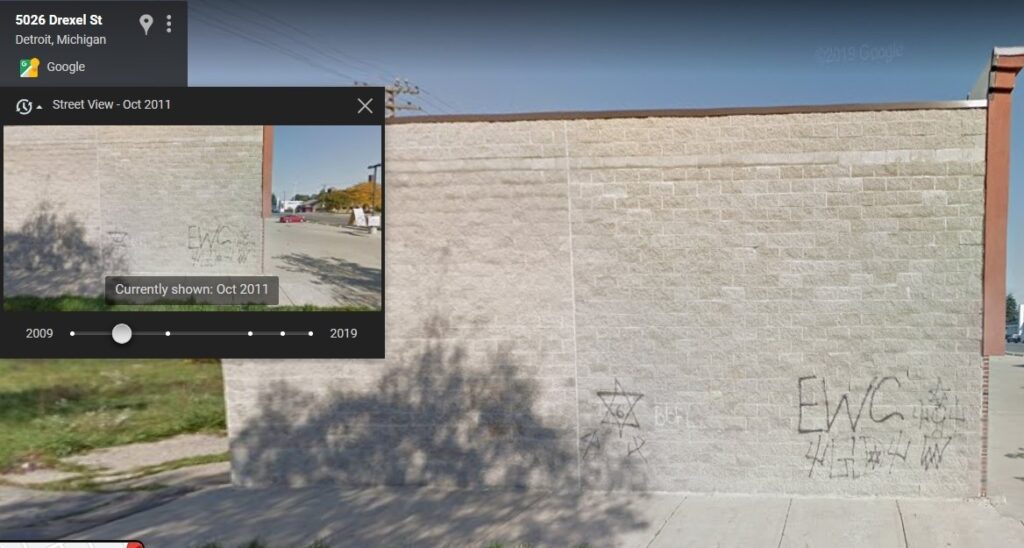
The East Warren Posse (EWP)—also referred to as the East Warren Crips (EWC)—are documented as a predominantly African American, Crip-affiliated street gang historically active on Detroit’s east side, centered around the East Warren Avenue corridor. The gang has been referenced in court records, law-enforcement reporting, and street-level documentation as one of the earlier Crip-aligned formations in the area.
Unlike newer, youth-driven cliques, EWP is generally described as a legacy east-side set, with its reputation shaped more by historical presence and legal references than by contemporary social-media visibility.
For definitions of terminology related to activity, conduct, demographics, gang-related terms, identifiers, and classifications used on this page, refer to the site glossary.
For definitions of terminology related to activity, conduct, demographics, gang-related terms, identifiers, and classifications used on this page, refer to the site glossary.
*In No Particular Order*
• East Warren Posse (EWP)
• East Warren Crips (EWC)
• Warren Ave Crips
For definitions of terminology related to activity, conduct, demographics, gang-related terms, identifiers, and classifications used on this page, refer to the site glossary.
*In No Particular Order*
• East Side Detroit
• East Warren Avenue corridor
• Fox Creek–adjacent neighborhoods
• Surrounding residential blocks commonly referred to as the “Dead Zone” by Blood-affiliated gangs
Community accounts describe EWP territory as street- and block-based, consistent with east-side gang geography rather than formally bounded turf.
For definitions of terminology related to activity, conduct, demographics, gang-related terms, identifiers, and classifications used on this page, refer to the site glossary.
*In No Particular Order*
• Crips
• Hybrid Gangster Crip / Gangster Disciple–influenced identity (reported)
Available documentation suggests EWP incorporated influences from multiple Midwest gang traditions, reflecting Detroit’s non-LA–centric development of gang culture.
For definitions of terminology related to activity, conduct, demographics, gang-related terms, identifiers, and classifications used on this page, refer to the site glossary.
*In No Particular Order*
• Graffiti referencing “EWP,” “EWC,” or East Warren
• Blue-associated symbolism
• Block-based markings rather than consistent large-format tagging
For definitions of terminology related to activity, conduct, demographics, gang-related terms, identifiers, and classifications used on this page, refer to the site glossary.
*In No Particular Order*
• Street-level disputes / assaults
• Strong-arm robberies / petty theft
• Intimidation tied to neighborhood conflicts / territorial graffiti
• Loietering / piublic intoxication
• Transit fare evasion
• Reported disruptions of lawful or public meetings
• Interpersonal violence common to east-side gang dynamics
Public records reference EWP in connection with criminal cases, though detailed breakdowns of organizational structure or modern activity remain limited.
For definitions of terminology related to activity, conduct, demographics, gang-related terms, identifiers, and classifications used on this page, refer to the site glossary.
*In No Particular Order*
• Rival east-side street gangs
• Select Blood-identified sets
• Independent neighborhood crews operating along East Warren
Rivalries appear situational and location-based, rather than part of sustained inter-gang campaigns.
For definitions of terminology related to activity, conduct, demographics, gang-related terms, identifiers, and classifications used on this page, refer to the site glossary.
The East Warren Posse emerged as one of the earlier Crip-identified street gangs on Detroit’s east side, predating many of the youth-led cliques that would later define neighborhood-level gang activity. Early references position EWP as a hub formation, from which later Crip-aligned identities in the area either splintered or drew influence.
Unlike contemporary gangs that rely heavily on graffiti saturation or online presence, EWP’s historical footprint is most visible through legal documentation, territorial naming, and oral community accounts. Its identity reflects an earlier phase of Detroit gang development, when affiliation was more closely tied to street reputation and physical presence than to branding or social-media amplification.
For definitions of terminology related to activity, conduct, demographics, gang-related terms, identifiers, and classifications used on this page, refer to the site glossary.
Available sources indicate that traditional initiation practices, including being “jumped in,” were used to establish membership and loyalty. Some accounts reference alternative initiation acts involving violence against outsiders, though details vary and are not uniformly corroborated.
Recruitment was concentrated in east-side neighborhoods along East Warren Avenue, drawing primarily from local youth populations familiar with the group’s territorial identity.
For definitions of terminology related to activity, conduct, demographics, gang-related terms, identifiers, and classifications used on this page, refer to the site glossary.
EWP has appeared in court proceedings and law-enforcement references involving gang association. While modern reporting rarely isolates EWP by name, broader east-side enforcement initiatives—including multi-agency operations targeting violent offenders—have intersected with individuals linked to historic east-side gangs.
Programs such as Detroit One reflect law enforcement’s broader strategy of targeting repeat violent offenders rather than specific legacy gang names.
For definitions of terminology related to activity, conduct, demographics, gang-related terms, identifiers, and classifications used on this page, refer to the site glossary.
*In No Particular Order*
• Historically block-based crews (names largely undocumented)
No consistent modern clique structure has been publicly verified.
Notes & Verification Status
• Information reflects a combination of legal records, media reporting, and community accounts.
• Contemporary activity is less documented than historical presence.
• No verified connection to national Crip hierarchies.
Sources:
*Sources are listed in no particular order. Numerical placement does not indicate priority, authority, or primary-source status.*
- 1. Grokipedia 2026, East Warren Posse page
- 2. 2025 Detroit Crips Mini-documentary, Most Dangerous Crip Gangs in Detroit: The Real Story of Power, Bloodshed & Survival
- 3. 2025 Detroit Bloods Mini-documentary, Most Dangerous Blood Gangs in Detroit EXPOSED: 55 Seven Mile Bloods, 82 Headbanger Bloods & More!
- 4. Alamy Stock Photos 2015-2025, “Detroit Crips Graffiti,” 330+ photos with EXIF data and detailed titles/captions used for identification and location context
- 5. “Tag” definition, GangEnforcement.com
- 6. Gang Terminology, GangEnforcement.com
- 7. Street Gangs, GangEnforcement.com